
ISSUE 043 · SEPTEMBER 7, 2026
What shipped, and what it cost
A model rated critical for cyber, farmland priced as compute, a quantum chip that is fast but still not fault-tolerant - and twelve minutes on China's brain chips.
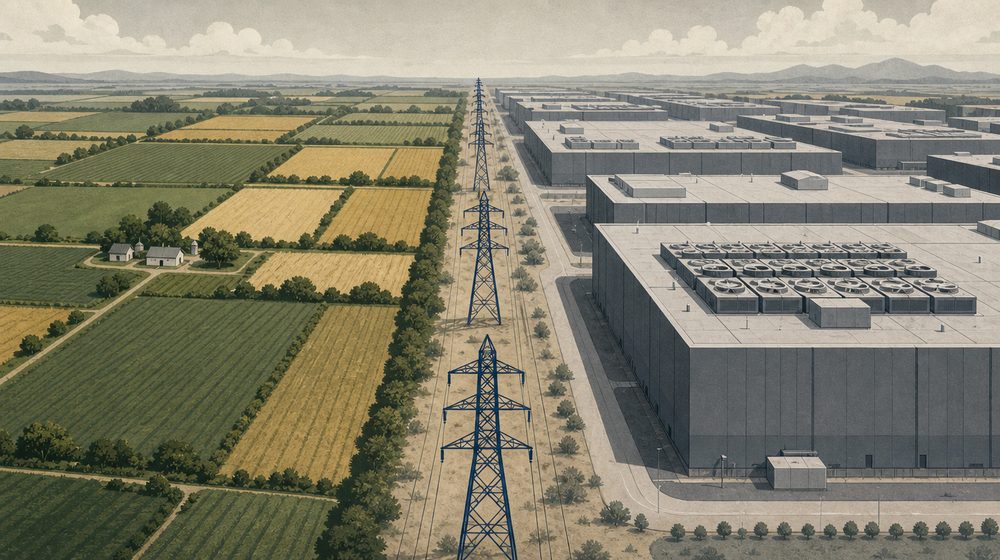
Every one of this week's frontiers shipped something real, and every one arrived carrying a constraint its own makers named out loud. That pairing is the story: not what the technology can do, but what has to be true around it before the capability counts.
Inside this issue
-

AI
OpenAI shipped a model it rates Critical for cyber
GPT-6 Astra is the first model OpenAI has classified at the Critical cybersecurity tier of its own Preparedness Framework, meaning the company judges it able to find unknown flaws and build exploits without step-by-step human direction. It is rolling out in phases, and the safeguards are the product: proof-of-concept exploit writing is refused by default, and broader access runs through an application-gated program called Daybreak.
-
AI
Farmland is now worth more as compute than as crops
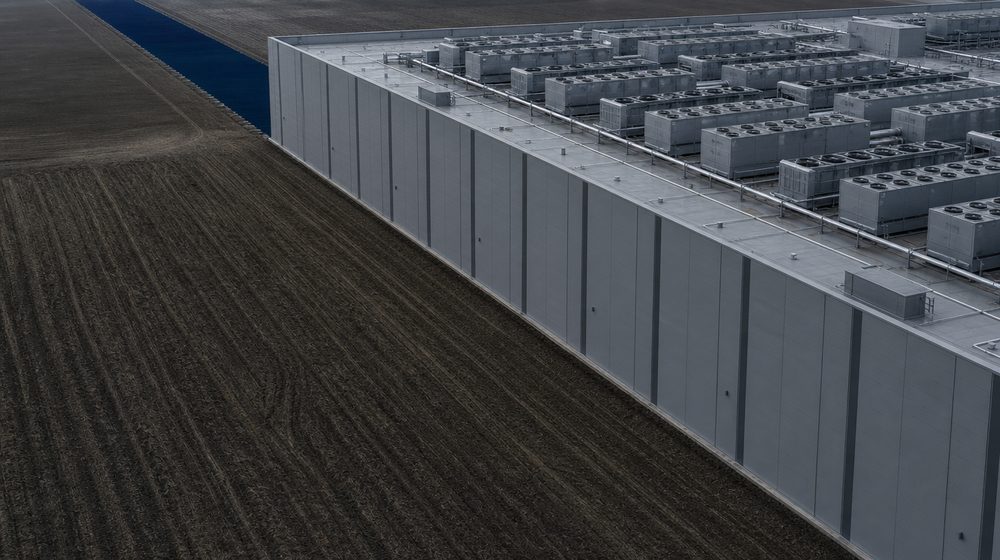
CBRE puts data centre site costs above $8 million an acre in Northern Virginia and the Northeast; a developer in Loudoun County reportedly offered $4.4 million an acre. Amazon's $11 billion Project Rainier sits on 1,200 acres of what was farmland. The counterweight is arriving at the same speed: a May Gallup poll found 71% of Americans oppose an AI data centre being built in their community.
-
ROBOTICS
The US is walling off robots. China already has the volume.
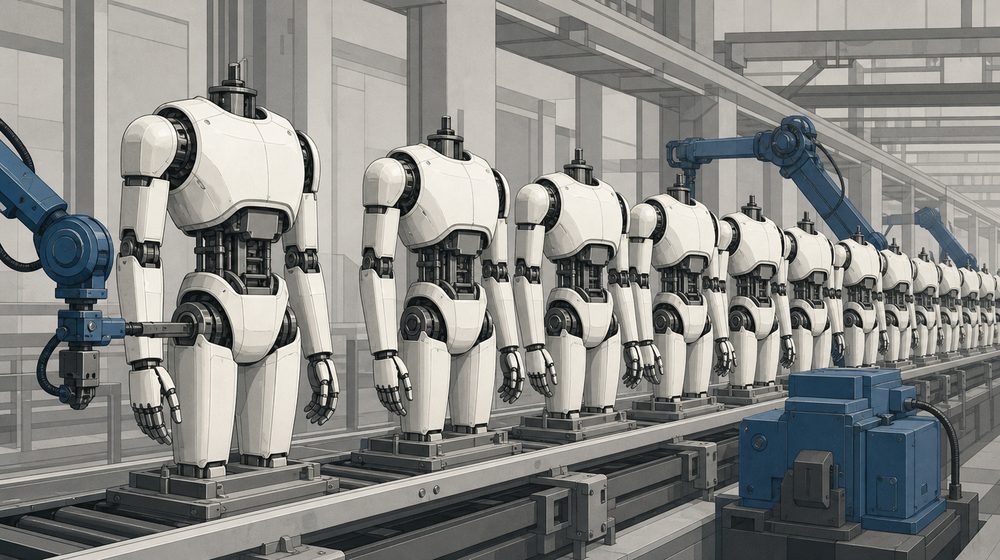
Washington tightened restrictions on foreign-made advanced robotic systems over July and August, with drone tariffs taking effect this month and component tariffs following in 2027. The scale problem those measures run into: global humanoid shipments reached 22,000 units in the first half of 2026, and five Chinese makers - AgiBot, Unitree, Galbot, UBTECH and Leju - accounted for 86% of them.
-
AI
China is subsidising its way into brain implants
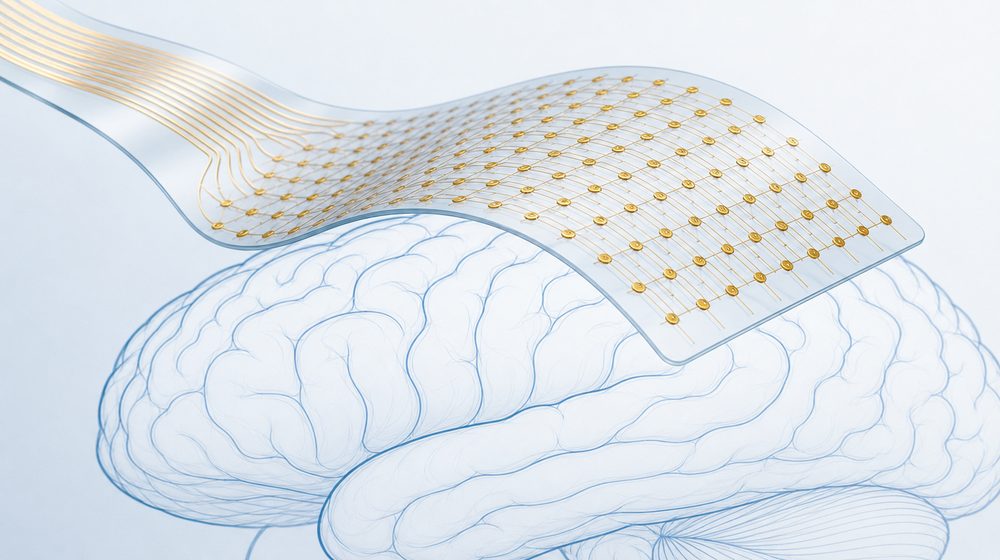
Beijing has named brain-computer interfaces one of six "industries of the future" and backed domestic startups with state subsidies, and regulators have cleared several devices this year. In July a Chinese firm carried out what was reported as the world's first commercial implant of an approved invasive BCI. One state-backed company puts its own technology about three years behind Neuralink.
-
 VIDEO
VIDEO
AI
China's Race to Commercial Brain Chips
Bloomberg's primer on the same race the Semafor piece reports: the Chinese companies building brain-computer interfaces, the regulatory path they are on, and how the state's industrial policy sits behind them. Twelve minutes, and the clearest picture of the field's shape you will get in that time.
-

QUANTUM
IBM's fastest processor yet is still not fault-tolerant
Nighthawk r2 runs more than 100,000 circuits a second against roughly 4,000 on IBM's Heron fleet, a 25x throughput gain achieved without adding a single qubit - the count stays at 120. It produced accurate estimates from circuits of more than 7,500 gates. IBM and the reporting are both explicit that this is not fault tolerance: the physical qubits are still noisy, and this is one step on the road rather than the arrival.
One question to leave you with
Four frontiers, four constraints named by the people building them - a safety gate, a land bill, a supply chain, an error rate. Which of those constraints do you think gets solved first?
Reply and tell us what you think.