ISSUE 044 · SEPTEMBER 8, 2026
The implant is the easy part
A whole issue on brain-computer interfaces: two FDA designations, an ultrasound supply chain, a Chinese platform making claims nobody has checked, and the question none of them answer.
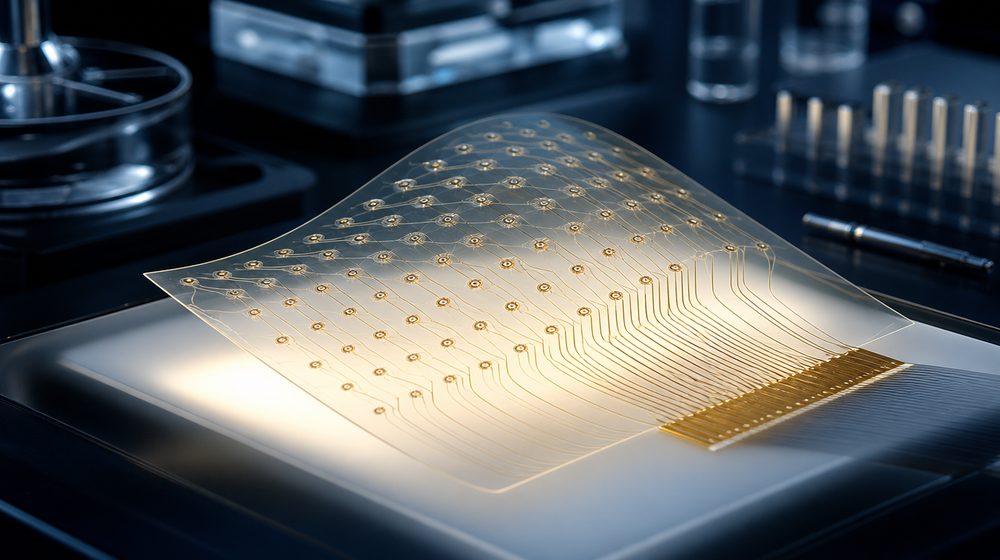
Every beat gets a fortnight where it will not stop moving, and this one belonged to brain-computer interfaces. So this issue is all of one thing. Read them in order and a pattern shows up: the surgery and the silicon are getting genuinely good, and almost nobody has answered what happens to the person afterwards.
Inside this issue
-
AI
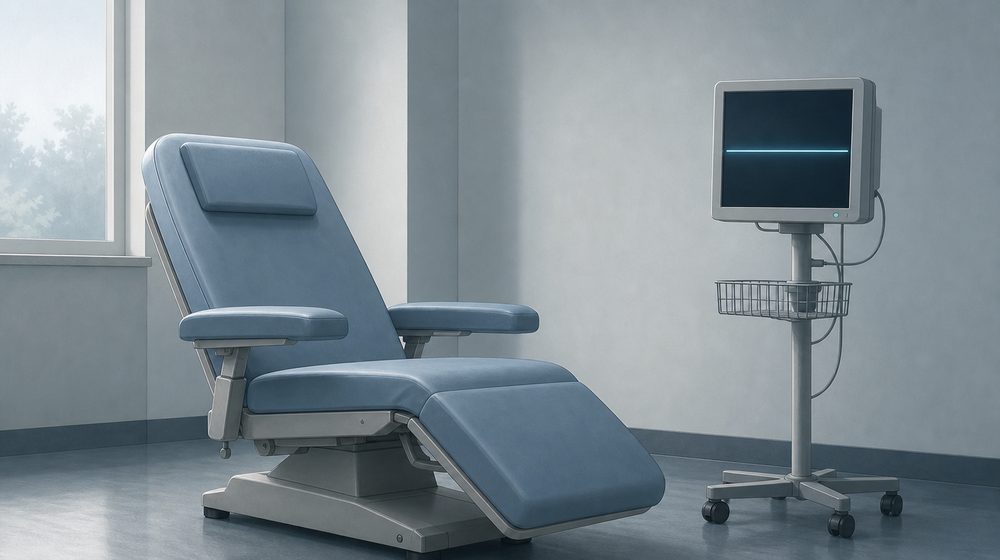
The trial ends. The implant is still in your head.
More than twenty people now live with Neuralink devices, and the field's honest unsolved problem is what happens to them when the study closes. Some participants continue under special access schemes; others may have a working device removed because the sponsor - grant-funded or venture-backed - cannot carry the cost of lifelong support. Nathan Higgins notes that Australia has no rules requiring trial organisers to support participants long term, which is a live problem in a country where neurotech is taking off.
-
AI
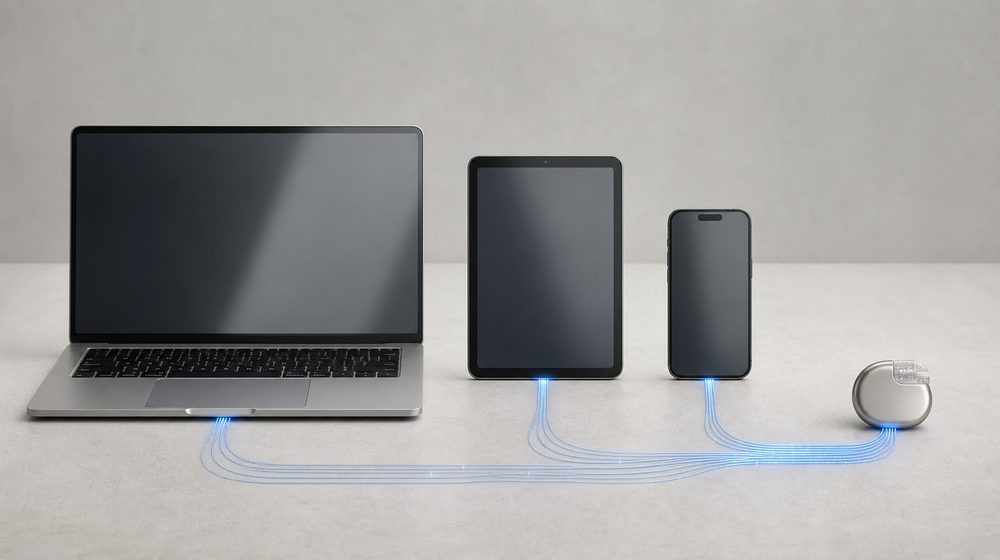
Paradromics can now plug into an ordinary laptop
The FDA approved expanding the Connect-One study so the Connexus interface can drive compatible internet-connected consumer devices - laptops, tablets, phones - without each one needing its own approval. That is a smaller headline than a new implant and a bigger deal for daily life: it is the difference between a device that works in a lab and one that works with the computer you already own. Paradromics also named a second study patient; the first has reached closed-loop operation.
-
AI
CorTec takes a second FDA breakthrough designation
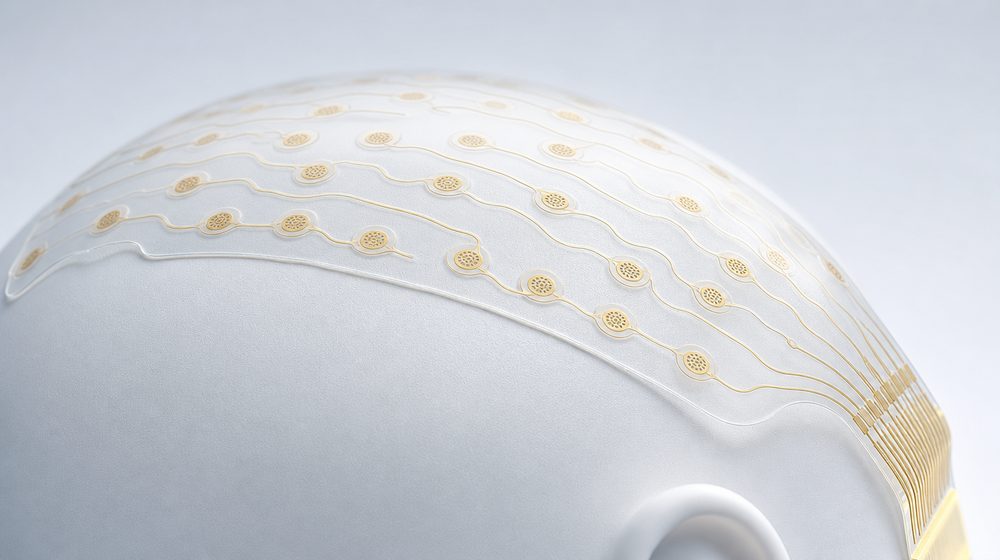
The German company's Brain Interchange implant picked up its second Breakthrough Device Designation, this one covering computer cursor control for people with non-progressive quadriplegia. The platform is fully implantable, wireless and battery-free, and uses non-penetrating electrodes that sit on the cortical surface rather than in it. Worth keeping the designation in proportion: it is a faster review track, not an approval.
-
AI
Ultrasound BCI just got a listed supply chain
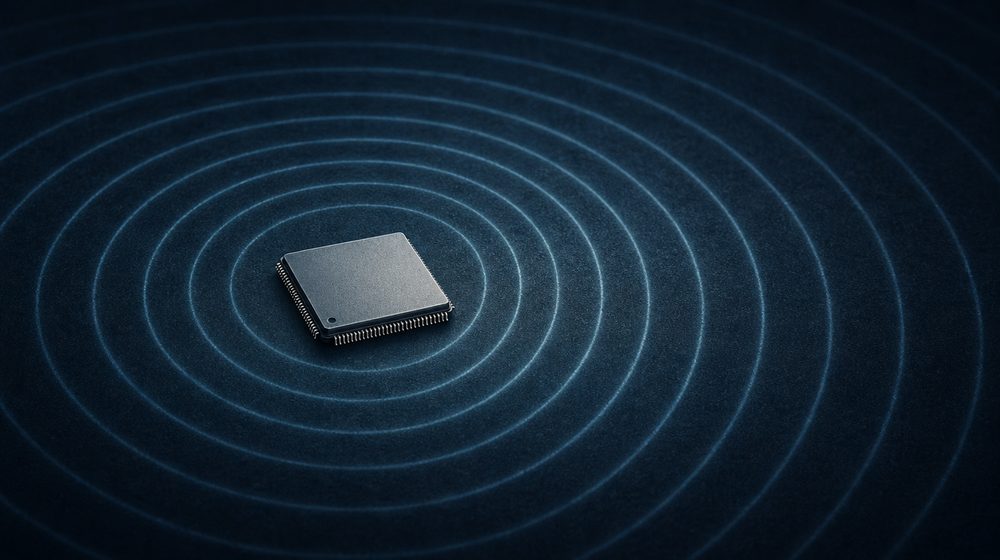
Merge Labs - the OpenAI-backed startup that launched in January on a $252 million seed - signed a multi-year exclusive licence for Butterfly Network's Poseidon ultrasound-on-chip. The significance is industrial rather than scientific: a neural interface programme now has a NYSE-listed supplier behind its core component. Terms were not disclosed, and Merge has not published a regulatory pathway, a clinical timeline, or a target patient population.
-
AI
China's MRI-based closed loop, and the claims to check
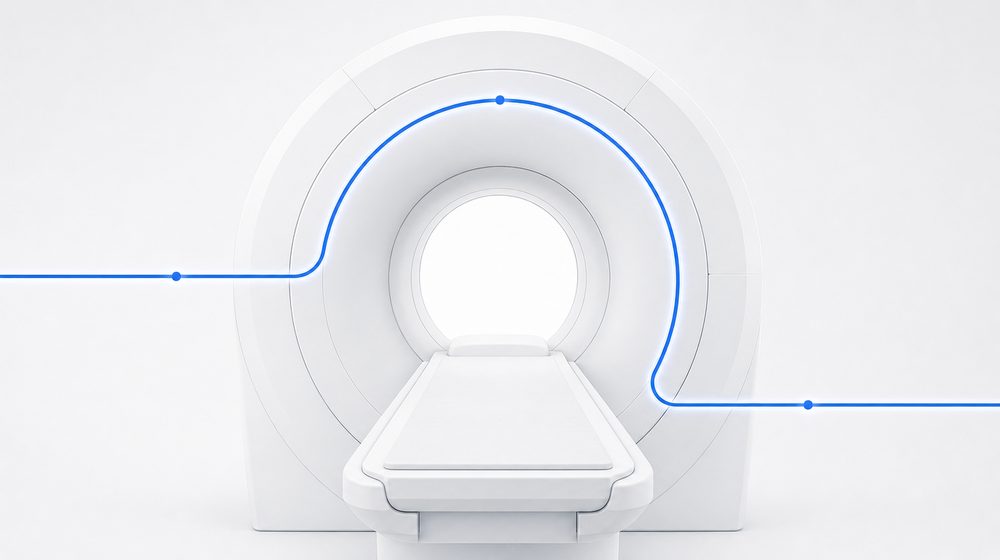
Tianjin University, United Imaging Healthcare and Haihe Laboratory unveiled uMR Shenguan, which puts neural capture, decoding, modulation and evaluation inside a single MRI-based loop on 3T and 5T scanners. The developers claim millisecond signal capture and sub-millimetre structural measurement, and target motor rehabilitation, neuro-critical care, psychiatry, ophthalmology and audiology. None of it is peer-reviewed, no regulatory registration or first patient has been announced, and MRI reads neural activity indirectly through blood-oxygen changes that lag by seconds - a tension the announcement does not resolve.
One question to leave you with
Four of these five stories are about capability arriving. The first is about what happens to a person once it has arrived and the funding runs out. If you were writing the rule, who should be on the hook for keeping an implant working - the sponsor, the health system, or the person who volunteered?
Reply and tell us what you think.